
Flood Insurance in Massachusetts, Explained Clearly
Does Your Current Policy Actually Cover Flood Damage?
Many homeowners assume flood damage is included in a standard home insurance policy, but it’s typically not. Flood insurance is a separate type of coverage designed specifically for rising water, heavy rain overflow, and similar events that standard policies exclude. That distinction matters in Massachusetts, where even a small amount of water can lead to significant repair costs. K & B Insurance, LLC helps property owners across Wilmington, Middleton, and Middlesex County understand the difference and choose coverage based on real exposure—not assumptions.
Problems Property Owners Run Into
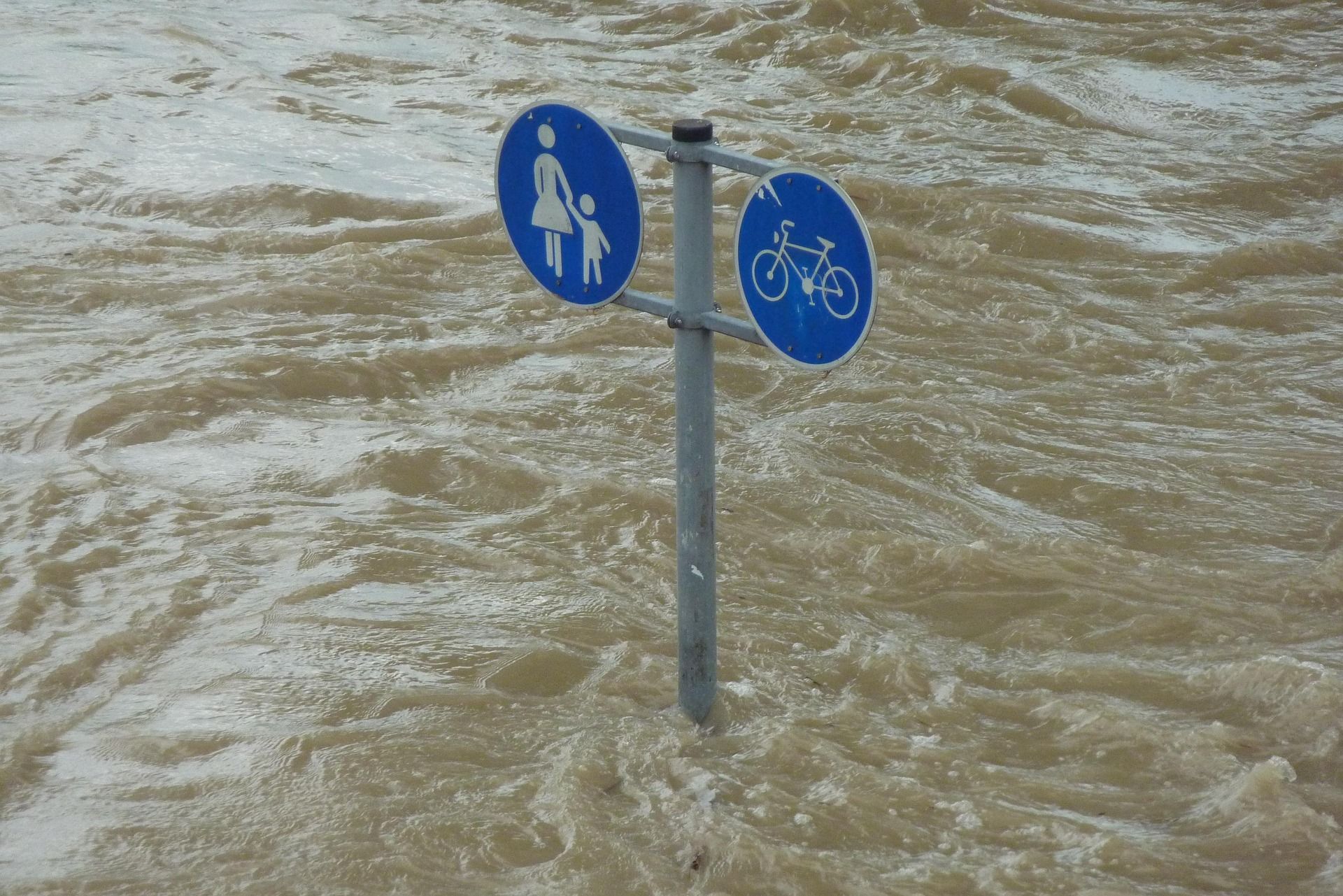
Assuming Home Insurance Covers Flooding
Standard homeowners policies typically exclude flood damage, which can create unexpected gaps after heavy rain or rising water events.
Underestimating the Cost of Water Damage
Even a small amount of flooding can lead to costly repairs, including flooring, drywall, and structural damage.
Thinking Flood Insurance Only Applies to High-Risk Zones
Flooding can happen outside designated flood zones, and many claims come from areas considered lower risk.
Not Knowing Which Policy Type to Choose
Understanding the difference between NFIP flood insurance and private flood insurance can feel unclear without guidance.
NFIP vs. Private Flood Insurance Options
NFIP Flood Insurance (FEMA-Backed)
The National Flood Insurance Program (NFIP) provides standardized coverage backed by FEMA and is widely available for homes, condos, renters, and businesses.
Private Flood Insurance
Private policies may offer higher limits, additional flexibility, or broader coverage options depending on the property and location.
Flood Zone Considerations
Your property’s flood zone can affect availability, lender requirements, and pricing, but it does not limit your ability to explore coverage options.
Quote Comparison Matters
Reviewing both NFIP and private options helps ensure your coverage matches your risk, not just minimum requirements.
Common Gaps and Misunderstandings
“I’m Not in a Flood Zone, So I Don’t Need It”
Flood risk exists outside high-risk zones, and lower-risk areas still experience water damage events.
“I Can Wait Until a Storm Is Coming”
Flood policies often have waiting periods before coverage takes effect.
“All Flood Policies Are the Same”
Coverage limits, exclusions, and flexibility can differ between NFIP and private policies.
“It Only Applies to Homeowners”
Flood insurance is available for renters, condo owners, and business properties as well.
Quick Guidance for Common Situations
1
If Your Mortgage Lender Requires Coverage
Properties in certain flood zones may require flood insurance before closing or refinancing.
2
If You’re Outside a High-Risk Flood Zone
You can still purchase flood insurance, and it may be more affordable than expected.
3
If You Want Clear Cost Expectations
Understanding potential damage costs can help you decide whether coverage makes sense for your situation.
4
If You’re Comparing Policy Options
Looking at both NFIP and private flood insurance helps you choose based on coverage—not assumptions.
Ready to Understand Your Flood Risk Clearly?
Many property owners reach this point after realizing flood coverage isn’t included in their current policy. The next step is reviewing your property details and comparing available options so you can make a clear, informed decision.
What to Expect From Start to Finish
Getting flood insurance with K & B Insurance, LLC starts with reviewing your property location, flood zone, and building details. From there, both NFIP and private flood insurance options are compared based on coverage limits and eligibility. You’ll receive a clear explanation of what each policy includes, along with any waiting periods or requirements. Once coverage is selected, your policy is set up to match your property and level of risk.
Your Questions, Answered Clearly
Is flood insurance required in Massachusetts?
Not by state law in all cases, but it may be required by lenders for properties in certain flood zones.
Can I buy flood insurance if I’m not in a flood zone?
Yes. Flood insurance is available even in lower-risk areas, and many claims occur outside high-risk zones.
What does NFIP flood insurance cover?
NFIP policies generally cover the structure of the building and certain contents, subject to limits and policy terms.
Is private flood insurance different from NFIP?
Yes. Private policies may offer higher limits or additional flexibility, depending on the insurer and property.
How long does it take for flood insurance to start?
Many policies include a waiting period before coverage becomes active, so planning ahead is important.
Make Flood Coverage Part of a Clearer Insurance Plan
If you’re looking for flood insurance in Massachusetts, the goal is to understand what’s covered, what’s not, and how your property fits into that picture. K & B Insurance, LLC helps property owners across Wilmington, Middleton, and Middlesex County compare NFIP and private options, understand flood risk, and move forward with confidence.